Jun 04, 2026
Beyond Charity: Building Sustainable Development Through Community Engagement
Social development is often associated with charitable support, donations, and short-term assistance programs. While these efforts can provide immediate relief, lasting social transformation requires a deeper and more sustainable approach. Communities thrive when individuals actively participate in shaping solutions to their own challenges rather than relying solely on external support.
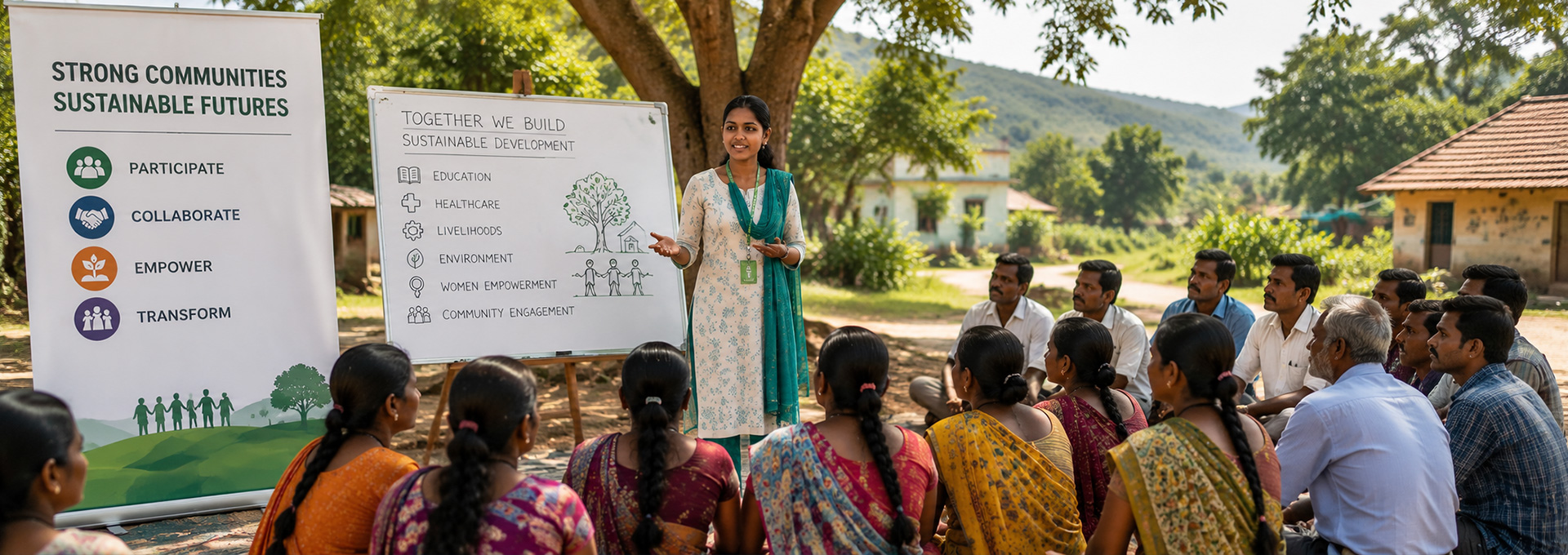
Community engagement has emerged as one of the most effective methods for creating sustainable development. By involving local people in planning, decision-making, and implementation, development initiatives become more relevant, impactful, and capable of delivering long-term benefits. Sustainable progress is achieved not only through resources but also through participation, ownership, and collective action.
Understanding the Difference Between Charity and Sustainable Development
Charitable initiatives are often designed to address immediate needs such as food, healthcare assistance, or emergency support. While these interventions are valuable, they may not always address the root causes of social challenges.
Sustainable development focuses on creating long-term solutions that empower individuals and communities to improve their own circumstances. Rather than providing temporary assistance, sustainable development aims to strengthen local capacities and create opportunities for continued growth.
This approach encourages:
- Community participation
- Knowledge sharing
- Skill development
- Local leadership
- Long-term problem-solving
When communities become active participants in development efforts, the impact often extends far beyond the duration of a specific project.
Why Community Engagement Matters
Development initiatives are most effective when they reflect the actual needs and priorities of the people they are intended to serve. Community engagement helps ensure that local voices are included throughout the development process.
When communities participate actively:
- Solutions become more practical and relevant
- Local knowledge contributes to better decision-making
- Community members develop a stronger sense of ownership
- Long-term sustainability improves
Projects designed with community involvement are often more resilient because people are invested in maintaining and improving the outcomes.
Building Ownership Through Participation
One of the most important aspects of sustainable development is community ownership. When individuals contribute to planning and implementation, they are more likely to support and maintain development initiatives over time.
Ownership can be strengthened through:
- Community consultations
- Local volunteer participation
- Collaborative planning sessions
- Skill-building programs
- Leadership development initiatives
This participatory approach transforms beneficiaries into active contributors, creating stronger foundations for long-term progress.
Role of Local Leadership in Social Development
Effective community engagement often depends on strong local leadership. Community leaders understand local challenges, cultural dynamics, and social priorities better than external stakeholders.
Local leadership helps:
- Build trust within communities
- Encourage participation
- Facilitate communication
- Support long-term project sustainability
When local leaders are empowered, development initiatives become more adaptable and responsive to changing community needs.
Creating Sustainable Impact Through Capacity Building
Capacity building is a key element of community-driven development. Instead of focusing only on immediate outcomes, sustainable initiatives help individuals develop the knowledge, skills, and confidence needed to address future challenges independently.
Capacity-building efforts may include:
- Educational programs
- Skill development initiatives
- Health awareness campaigns
- Leadership training
- Community resource management
These efforts contribute to stronger communities that can continue progressing even after external support is reduced. Financial awareness and economic empowerment can further strengthen long-term community resilience.
Community Engagement in Education and Healthcare
Education and healthcare programs often achieve greater success when communities are actively involved. Participation helps ensure that services are accessible, relevant, and aligned with local needs.
Community engagement can support:
- Increased awareness about education opportunities
- Improved participation in health programs
- Better adoption of preventive healthcare practices
- Greater support for community welfare initiatives
Access to preventive healthcare services plays an important role in improving long-term community well-being. Active involvement strengthens both program effectiveness and long-term impact.
Supporting Rural Development Through Collaboration
Rural development initiatives frequently benefit from collaborative approaches that bring together community members, local organisations, and development partners.
Collaboration helps:
- Identify local priorities
- Improve resource utilisation
- Encourage shared responsibility
- Strengthen social networks
By working together toward common goals, communities can create development models that are sustainable and adaptable to future needs. Long-term progress often depends on Industrial packaging solutions that improves access to essential services and opportunities.
Measuring Success Beyond Immediate Results
The success of community engagement should not be measured solely by short-term outputs. Sustainable development focuses on long-term outcomes such as improved quality of life, increased community participation, and stronger local institutions.
Indicators of lasting impact may include:
- Increased community involvement
- Improved access to opportunities
- Stronger local leadership
- Greater self-sufficiency
- Enhanced social resilience
These outcomes demonstrate that development efforts are creating meaningful and enduring change.
Supporting Long-Term Social Transformation
Goodwill Empire Foundation supports initiatives focused on education, healthcare, women empowerment, environmental responsibility, and rural development. By encouraging community participation and long-term capacity building, development programs can create meaningful social impact that continues to benefit communities for generations.
Creating sustainable change requires collaboration between communities, organisations, and stakeholders who share a commitment to long-term development. When people are empowered to participate actively in the development process, social progress becomes more inclusive and sustainable.
Conclusion
While charitable support remains important in addressing immediate needs, long-term social progress depends on sustainable development driven by community engagement. When individuals actively participate in shaping solutions, communities become stronger, more resilient, and better equipped to manage future challenges.
By promoting local leadership, participation, and capacity building, community-focused initiatives can move beyond short-term assistance and contribute to lasting social transformation. Sustainable development is most effective when communities are not only supported but also empowered to become active partners in their own progress.