May 05, 2026
Building Self-Reliant Communities Through Education, Healthcare, and Rural Development
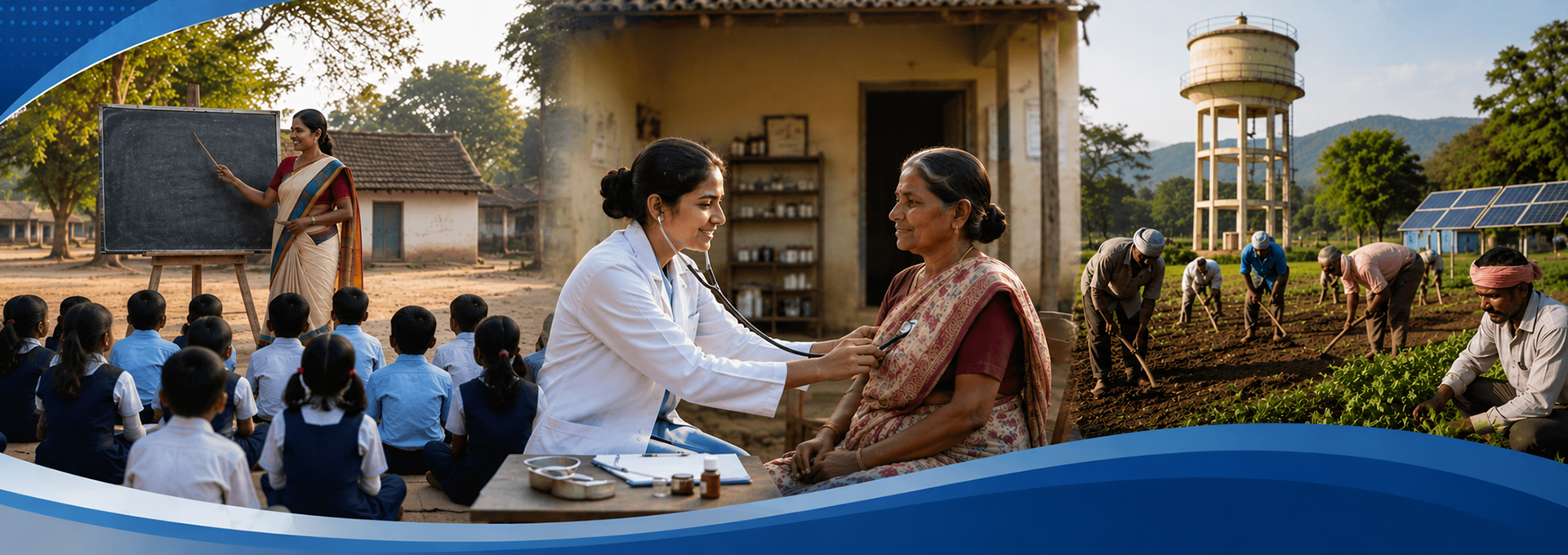
Sustainable social progress depends on more than short-term assistance. Long-term development is achieved when communities gain access to education, healthcare, livelihood opportunities, and essential resources that enable them to become self-reliant. In many rural and underserved regions, limited infrastructure and lack of access to basic services continue to affect overall quality of life and economic stability.
Development programs designed around community needs help improve social support systems and create pathways for sustainable progress. Education, healthcare, and rural development are among the most influential pillars in building stronger and more self-sufficient communities.
Importance of Self-Reliant Communities
A self-reliant community is one that can sustain its social and economic well-being through access to knowledge, healthcare, employment opportunities, and local development resources. Such communities are better equipped to manage challenges, improve living standards, and support future generations.
Self-reliance contributes to:
- Better social stability
- Improved economic participation
- Increased awareness and skill development
- Reduced dependency on external support
- Stronger local growth and resilience
Long-term community development focuses on empowering individuals with the tools and opportunities needed to improve their own lives.
Role of Education in Community Development
Education is one of the most powerful drivers of social transformation. Access to quality education helps individuals develop skills, improve awareness, and create better opportunities for employment and personal growth.
In rural communities, educational initiatives help:
- Improve literacy and learning opportunities
- Encourage skill development and vocational training
- Increase awareness about health, hygiene, and social issues
- Support youth empowerment and career growth
Educational development not only benefits individuals but also contributes to overall community progress by building a more informed and capable population.
Healthcare as a Foundation for Sustainable Growth
Healthcare access is equally important in strengthening communities. Without proper healthcare services, individuals may struggle with preventable illnesses, reduced productivity, and financial difficulties caused by medical emergencies.
Community healthcare initiatives support:
- Preventive healthcare awareness
- Early diagnosis and medical support
- Better maternal and child health services
- Improved hygiene and sanitation practices
Accessible healthcare systems help create healthier populations capable of participating more actively in education, employment, and community development.
Rural Development and Infrastructure Improvement
Rural development involves improving living conditions, infrastructure, and economic opportunities in underserved regions. Many rural communities face challenges related to transportation, sanitation, education access, and healthcare availability.
Development initiatives focused on rural areas help:
- Strengthen local infrastructure
- Improve access to essential services
- Create livelihood and employment opportunities
- Support sustainable agricultural and environmental practices
Improved rural infrastructure contributes to long-term social and economic progress while reducing regional inequality.
Women Empowerment and Community Progress
Women empowerment plays a critical role in building self-reliant communities. Providing access to education, healthcare, and skill development opportunities enables women to participate more actively in economic and social growth.
Empowered women contribute to:
- Better family health and education outcomes
- Increased household income stability
- Improved community participation
- Stronger social development initiatives
Supporting women’s growth and leadership helps strengthen the overall foundation of communities.
Importance of Sustainable Community Development
Sustainable community development focuses on creating solutions that continue to benefit communities over time. Rather than offering temporary support, sustainable initiatives aim to build systems that encourage long-term independence and growth.
Key elements of sustainable development include:
- Continuous education and awareness programs
- Healthcare accessibility and preventive care
- Environmental responsibility and resource management
- Skill-building and employment support
This integrated approach helps communities become more resilient and capable of managing future challenges.
Social Impact Through Community-Based Initiatives
Community development programs create long-term social impact by addressing multiple aspects of human well-being together. Education, healthcare, women empowerment, and rural infrastructure are interconnected factors that influence overall quality of life.
When these areas improve collectively:
- Economic opportunities increase
- Social awareness strengthens
- Health outcomes improve
- Communities become more stable and self-sufficient
Meaningful development is achieved when initiatives focus on empowering individuals rather than creating dependency.
Supporting Social Change Through Development Initiatives
Creating long-term social impact requires consistent efforts, collaboration, and community-focused planning.
Goodwill Empire Foundation supports initiatives focused on education, healthcare, women empowerment, environmental responsibility, and rural development to help create stronger and more self-reliant communities. Through sustainable social development efforts, communities can gain better opportunities for growth, stability, and long-term progress.
Conclusion
Building self-reliant communities requires a balanced approach that combines education, healthcare, women empowerment, and rural development. These interconnected areas contribute to long-term social stability and sustainable growth.
By investing in community-focused initiatives and empowering individuals with access to essential resources and opportunities, meaningful social transformation becomes possible. Sustainable development not only improves present living conditions but also creates a stronger foundation for future generations.