Feb 26, 2026
Driving Social Change in India Through Education, Healthcare, and Community Services
Creating meaningful and lasting social change in India requires more than short-term interventions. It demands structured efforts focused on strengthening education systems, improving healthcare access, empowering women, protecting the environment, and supporting rural development initiatives. Community-driven action remains one of the most effective ways to address social challenges and create inclusive growth.
Across India, education and healthcare continue to shape the quality of life for millions. When these pillars are supported through organised community services, communities become more resilient, self-reliant, and capable of long-term progress.
Education as the Foundation of Social Transformation
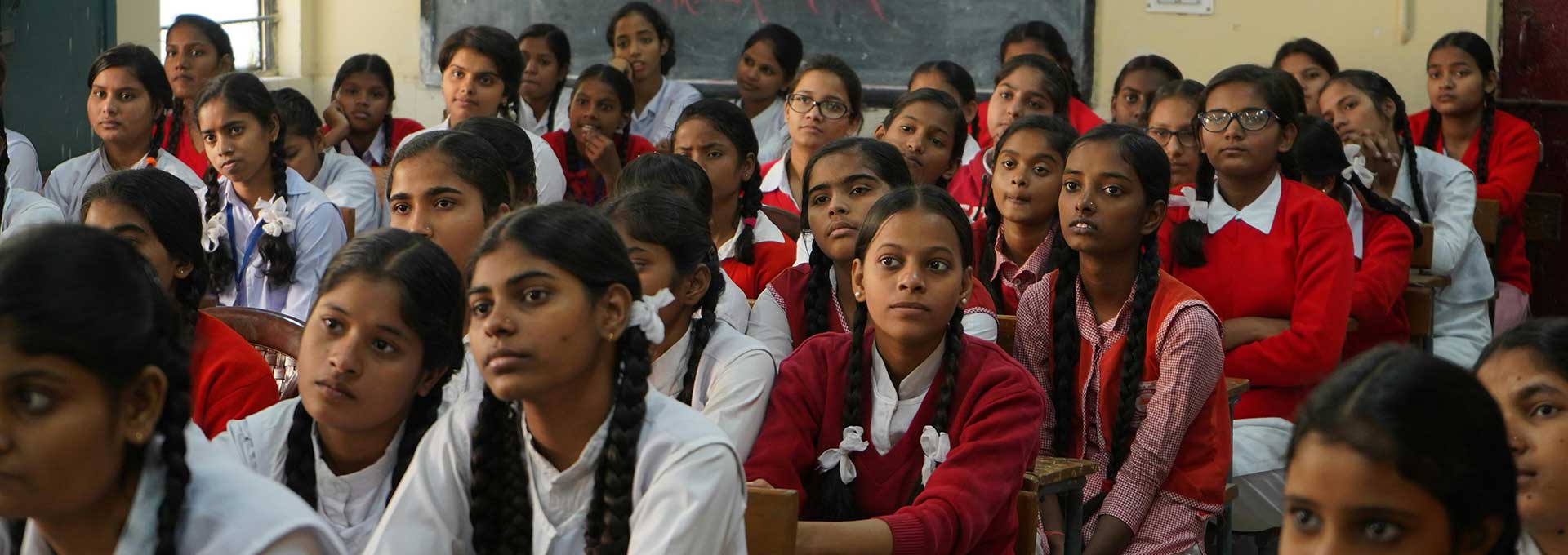
Access to quality education is one of the strongest drivers of sustainable development. Education not only improves literacy but also enhances critical thinking, financial awareness, and employment opportunities. Communities with better educational access experience improved social mobility and economic stability.
Structured education initiatives can:
- Improve access to learning resources
- Support underprivileged children
- Encourage skill development programs
- Promote equal opportunities across genders
By strengthening educational access, communities are better equipped to overcome social and economic barriers.
Improving Healthcare Access for Community Well-being
Accessible and reliable healthcare is essential for community development. Many regions in India still face challenges related to medical access, preventive care awareness, and early diagnosis. Without proper healthcare systems, preventable conditions can escalate into serious health risks.
Community healthcare initiatives contribute by:
- Promoting preventive health awareness
- Organising health camps and screening programs
- Supporting medical access in underserved regions
- Encouraging healthier lifestyles
When education and healthcare work together, they create a strong foundation for sustainable development.
Role of Community Services in Addressing Social Needs
Organised community services help coordinate social programs effectively. Instead of isolated efforts, structured community services allow for long-term planning, efficient resource utilisation, and measurable outcomes.
Community services focus on:
- Identifying pressing social challenges
- Delivering targeted education and healthcare initiatives
- Promoting awareness campaigns
- Supporting vulnerable groups
By working closely with local communities, these services create solutions that are practical, culturally relevant, and sustainable.
Women’s Empowerment as a Key Driver of Progress
Women’s empowerment plays a central role in achieving social balance and inclusive development. When women gain access to education, healthcare, and livelihood opportunities, families and communities benefit collectively.
Empowerment initiatives support:
- Financial independence and entrepreneurship
- Better health and education outcomes for children
- Increased participation in community decision-making
- Reduced social inequality
Investing in women’s empowerment strengthens social structures and accelerates meaningful change.
Environmental Responsibility and Sustainable Development
Protecting the environment is closely linked to community well-being. Environmental sustainability ensures that development does not compromise future generations. Community-level environmental initiatives promote responsible resource usage and eco-conscious living.
Environmental efforts may include:
- Awareness programs on sustainable practices
- Tree plantation and conservation drives
- Encouraging waste reduction and recycling
- Promoting eco-friendly habits
Environmental responsibility complements education and healthcare efforts, forming a comprehensive approach to sustainable growth.
Advancing Rural Development Initiatives
Balanced national growth requires focused rural development initiatives. Rural communities often face challenges related to infrastructure, healthcare access, education quality, and livelihood opportunities. Supporting rural development helps reduce migration pressures and improve living standards.
Effective rural initiatives may include:
- Improving access to education and healthcare
- Strengthening agricultural and livelihood support
- Promoting community skill development
- Enhancing local infrastructure
By addressing rural needs, development becomes inclusive and widespread.
Integrated Approach to Social Change in India
Real social change in India occurs when education, healthcare, women’s empowerment, environmental protection, and rural development work together. Isolated efforts may provide temporary relief, but integrated community strategies create long-term impact.
A holistic approach ensures:
- Stronger communities
- Healthier populations
- Greater equality
- Sustainable progress
Contribution of Goodwill Empire Foundation
Goodwill Empire Foundation champions social change in India by focusing on education, healthcare, community services, women’s empowerment, environment, and rural development initiatives.
Through structured programs and people-centric initiatives, the foundation works toward building resilient communities and supporting sustainable development across regions.
Conclusion
Driving social change requires commitment, collaboration, and long-term vision. By prioritising education and healthcare, strengthening community services, empowering women, protecting the environment, and supporting rural development initiatives, sustainable progress becomes achievable.
Community-focused efforts create not just immediate relief but lasting transformation. Through integrated social development strategies, India can continue building stronger, healthier, and more inclusive communities for future generations.