Apr 29, 2026
Effect of Temperature and Humidity on BOPP Packing Tape Performance in Industrial Environments
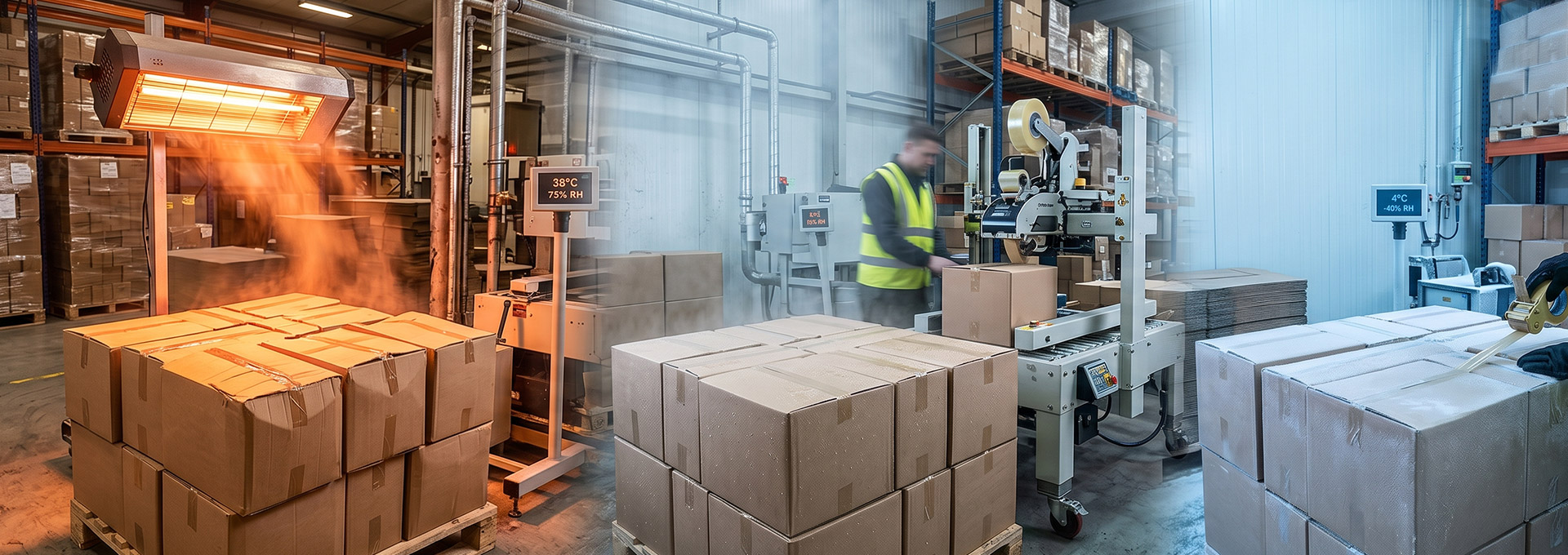
In industrial packaging operations, the performance of sealing materials is influenced by more than just adhesive strength or film thickness. Environmental conditions such as temperature and humidity play a critical role in determining how effectively BOPP packing tape performs during storage, application, and transit.
Manufacturing units, warehouses, and logistics operations often experience varying environmental conditions that can directly impact packaging reliability. Understanding how these factors affect tape performance helps businesses maintain consistent sealing quality and reduce the risk of packaging failures.
Why Environmental Conditions Matter in Industrial Packaging
Industrial packaging is exposed to diverse environments, from high-temperature production floors to humid storage facilities and long-distance transportation conditions. These variations can alter the behaviour of adhesive tape, affecting its ability to bond securely with carton surfaces.
Environmental factors influence:
- Adhesive activation and bonding strength
- Film flexibility and durability
- Long-term sealing reliability
- Resistance to external stress during transit
Ignoring these factors can lead to weakened seals, carton opening, and increased product damage.
Impact of Temperature on BOPP Packing Tape
High Temperature Conditions
In environments with elevated temperatures, adhesive layers may soften, reducing their ability to maintain a strong bond over time. This can result in:
- Reduced holding strength
- Adhesive transfer or residue
- Increased risk of carton opening during transit
High temperatures are commonly encountered in manufacturing plants, transport vehicles, and storage areas without climate control.
Low Temperature Conditions
Cold environments create different challenges. Adhesives may lose flexibility and fail to bond effectively with carton surfaces.
Common issues in low temperatures include:
- Reduced initial adhesion
- Difficulty in tape application
- Increased risk of peeling or lifting
This is particularly relevant in refrigerated storage or regions with colder climates.
Effect of Humidity on Tape Performance
Humidity introduces moisture into the packaging environment, which can interfere with adhesive bonding and carton integrity.
High Humidity Environments
Excess moisture can affect both the adhesive and the carton surface, leading to:
- Weak bonding between tape and carton
- Softening of corrugated boxes
- Reduced overall sealing strength
Warehouses in coastal or monsoon-prone regions often face these challenges.
Low Humidity Conditions
Extremely dry environments may not directly weaken adhesion, but they can affect material behaviour over time. Static build-up and material brittleness can influence handling and application efficiency.
Combined Effect of Temperature and Humidity
In real-world scenarios, temperature and humidity often interact simultaneously. For example, high heat combined with high humidity can significantly weaken both adhesive performance and carton strength.
This combination increases the likelihood of:
- Seal failure during transport
- Carton deformation
- Reduced packaging reliability
Industrial packaging systems must account for these combined conditions to ensure consistent performance.
Best Practices for Maintaining Tape Performance
To minimise environmental impact on BOPP packing tape, businesses should adopt practical strategies:
1.Controlled Storage Conditions
Store tape in a dry, temperature-controlled environment to preserve adhesive quality.
2.Proper Application Techniques
Apply tape at recommended temperatures to ensure optimal bonding. Surface preparation also plays a key role in adhesion.
3.Selection of Suitable Adhesive Type
Different adhesive systems perform better under specific environmental conditions. Selecting the right type ensures consistent sealing.
4.Use of High-Quality Packaging Materials
Strong carton material combined with reliable tape improves resistance to environmental stress.
5.Regular Packaging Audits
Periodic checks help identify environmental impact on packaging performance and allow timely adjustments.
Industrial Relevance Across Sectors
Manufacturing Units
High-temperature environments and continuous operations require tapes that maintain performance under heat stress.
Warehousing and Logistics
Variable humidity and storage conditions demand consistent adhesive reliability.
Automotive and Industrial Supply Chains
Long-distance transportation exposes packaging to fluctuating environmental conditions, making tape performance critical.
Supporting High-Performance Industrial Tape Solutions
In industrial applications, packaging materials must deliver consistent performance across varying environmental conditions.
Goodwill Adhesive Tapes & Foams India Pvt Ltd provides high-performance adhesive tape solutions designed to support manufacturing and logistics operations. By ensuring reliable performance under different environmental conditions, businesses can maintain packaging integrity and operational efficiency.
Conclusion
Temperature and humidity are critical factors that influence the performance of BOPP packing tape in industrial environments. From adhesive bonding to long-term sealing reliability, environmental conditions can significantly impact packaging outcomes.
By understanding these effects and implementing appropriate handling, storage, and application practices, businesses can ensure consistent packaging performance. Selecting the right tape and maintaining proper environmental control are essential steps toward achieving reliable and efficient industrial packaging systems.