Mar 16, 2026
How Effective Cleaning and Hygiene Practices Help Prevent Germs in Homes and Workplaces
Maintaining proper cleaning and hygiene practices has become increasingly important in modern living environments. Whether in homes, offices, or commercial facilities, maintaining cleanliness plays a vital role in protecting people from harmful germs and maintaining a safe indoor environment. Surfaces, floors, washrooms, and frequently touched objects can easily become breeding grounds for bacteria and viruses if they are not cleaned regularly.
Using reliable cleaning and hygiene solutions along with consistent hygiene practices helps reduce the spread of germs and creates safer spaces for families, employees, and visitors.
Understanding How Germs Spread in Indoor Spaces
Germs can spread quickly through everyday contact with contaminated surfaces and objects. Frequently touched areas such as door handles, tables, countertops, switches, and washroom fixtures can carry bacteria and viruses if they are not cleaned properly.
Common ways germs spread indoors include:
- Contact with contaminated surfaces
- Improper hand hygiene
- Shared objects and equipment
- Poor washroom sanitation
- Inadequate floor and surface cleaning
Without proper hygiene measures, these germs can transfer easily from one person to another, increasing the risk of illness.
Importance of Regular Surface Cleaning
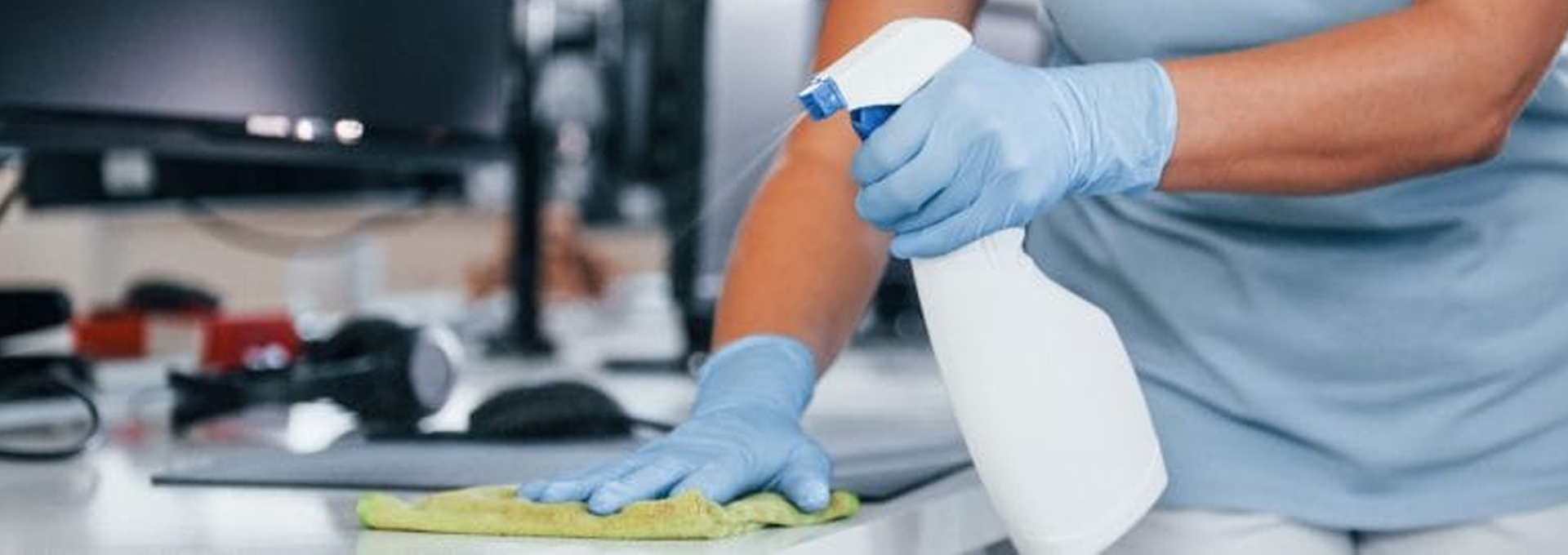
Surfaces in homes and workplaces are constantly exposed to dust, spills, and microbial contamination. Kitchens, workstations, dining tables, and office desks require regular cleaning to prevent germ accumulation.
Using effective surface cleaners helps remove dirt, grease, and microorganisms from commonly used areas. Proper surface cleaning not only improves cleanliness but also reduces the chances of harmful bacteria spreading through daily contact.
Regular surface disinfection is particularly important in environments where many people interact with the same surfaces throughout the day.
Maintaining Hygiene Through Proper Floor Cleaning
Floors are among the most exposed areas in any building. Shoes, dust, and environmental contaminants can easily accumulate on floors, making them a significant source of germs.
Routine use of floor cleaners helps remove accumulated dirt and microorganisms, improving indoor hygiene and overall cleanliness. Clean floors also contribute to a healthier indoor environment by preventing the spread of contaminants to furniture, equipment, and other surfaces.
Regular floor cleaning is especially important in high-traffic areas such as entrances, corridors, offices, and shared spaces.
Role of Washroom Hygiene in Preventing Germ Spread
Washrooms are one of the most sensitive areas when it comes to hygiene. Poor sanitation can quickly lead to unpleasant odours and increased bacterial growth.
Maintaining washroom hygiene requires the use of effective toilet cleaners and disinfecting solutions that remove stains, germs, and harmful microorganisms from toilet surfaces and fixtures.
Proper washroom cleaning practices help:
Reduce bacterial contamination
Maintain a hygienic environment
Improve overall sanitation standards
Regular cleaning of washrooms is essential for both residential and commercial facilities.
Importance of Hand Hygiene
Hand hygiene remains one of the most effective ways to prevent the spread of germs. Hands frequently come into contact with surfaces, objects, and other individuals throughout the day.
Using quality hand wash solutions helps remove bacteria, viruses, and dirt from the skin, reducing the chances of infection. Encouraging regular hand washing in homes, workplaces, and public spaces significantly improves hygiene practices and protects overall health.
Hand hygiene should be practiced before meals, after using washrooms, and after contact with shared surfaces.
Supporting Overall Hygiene with Phenyl-Based Cleaning Solutions
Traditional cleaning solutions such as phenyl continue to play an important role in maintaining hygiene, particularly in floors and large cleaning areas. Phenyl-based disinfectants are widely used for their ability to eliminate germs and control unpleasant odours.
Regular use of phenyl solutions helps maintain sanitation in residential buildings, offices, institutions, and other facilities where hygiene is a priority.
Building Safer Environments Through Reliable Hygiene Solutions
Consistent cleaning routines combined with effective cleaning products create healthier living and working spaces. Proper hygiene practices not only prevent the spread of germs but also improve comfort and well-being in everyday environments.
Goodwill FMCG India Pvt. Ltd. provides reliable cleaning and hygiene product solutions, including surface cleaners, floor cleaners, toilet cleaners, hand wash, and phenyl designed to help maintain safer and cleaner environments.
By using high-quality hygiene solutions and following effective cleaning practices, homes and workplaces can remain protected from common germs and contamination.
Conclusion
Effective cleaning and hygiene practices are essential for preventing the spread of germs in both homes and workplaces. Regular surface cleaning, proper floor maintenance, washroom sanitation, and good hand hygiene all contribute to healthier indoor environments.
Using dependable cleaning solutions and maintaining consistent hygiene routines ensures that living and working spaces remain clean, safe, and comfortable for everyone.