Mar 23, 2026
Role of Organic Cow Dung Products in Traditional Rituals and Sustainable Living
Across Indian culture, traditional rituals such as havan, pooja, and other spiritual ceremonies have always emphasized purity, natural ingredients, and environmental harmony. Among the many elements used in these practices, organic cow dung products hold a unique and long-standing significance. These products have been used for centuries not only for spiritual rituals but also for maintaining ecological balance and promoting sustainable living.
In recent years, there has been renewed interest in natural and eco-friendly alternatives for daily practices. Organic cow dung products are increasingly being recognized as sustainable solutions that align with both traditional values and modern environmental awareness.
Importance of Organic Cow Dung Products in Havan and Pooja Rituals
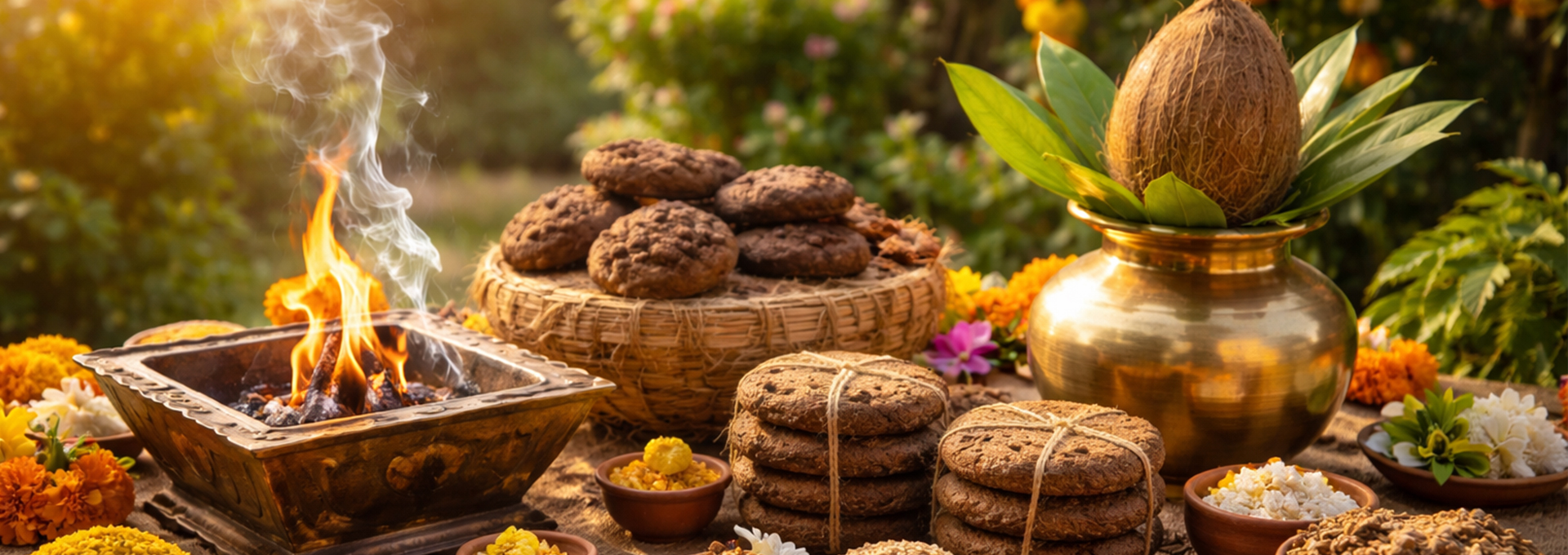
In many traditional ceremonies, havan and pooja rituals require natural materials that are considered pure and environmentally compatible. Organic cow dung products, such as cow dung cakes and havan materials, have long been used in these sacred rituals.
Cow dung is often regarded as a natural substance that symbolizes purity and balance in traditional practices. When used in havan ceremonies, cow dung cakes act as a natural fuel that burns steadily and produces minimal harmful emissions compared to chemical-based alternatives.
Because these materials come directly from natural sources, they support ritual practices that respect ecological balance and traditional values.
Environmental Benefits of Organic Cow Dung Products
One of the key advantages of organic cow dung products is their environmental compatibility. Unlike synthetic or chemically processed materials, cow dung products are biodegradable and derived from renewable resources.
Some environmental benefits include:
- Reduced reliance on chemical or synthetic materials
- Lower environmental pollution during use
- Biodegradable composition that returns to the soil naturally
- Support for eco-friendly practices in households and communities
Using natural resources responsibly helps promote sustainability and encourages environmentally conscious living.
Cow Dung and Its Role in Traditional Practices
Traditional rituals often incorporate natural elements that represent harmony between humans and nature. Cow dung has historically been valued in rural communities for its multipurpose use in religious and domestic activities.
In havan rituals, cow dung cakes provide a stable flame that supports ceremonial offerings. The smoke generated during these rituals is believed to carry herbal ingredients and natural elements into the surrounding environment.
Such practices reflect centuries-old traditions that prioritize natural resources and ecological awareness.
Organic vs Chemical-Based Havan Materials
In modern times, some ritual materials are manufactured using chemical additives or artificial substances. While these products may offer convenience, they often lack the environmental advantages of natural materials.
Organic cow dung products differ significantly from chemical-based alternatives.
Organic materials typically offer:
- Natural composition without synthetic additives
- Cleaner burning properties
- Reduced environmental impact
- Alignment with traditional ritual practices
Choosing natural havan materials helps maintain the authenticity of rituals while supporting environmentally responsible choices.
Cow Dung as a Natural Purifier
Cow dung has traditionally been considered a natural purifier in many rural households. Historically, it has been used to coat floors and open spaces to maintain cleanliness and hygiene.
Its natural properties help control certain microorganisms and insects, making it a practical solution for maintaining sanitation in rural environments.
In ritual contexts, cow dung is also believed to help create a purified space for spiritual activities. While modern cleaning methods are widely used today, traditional practices still highlight the natural benefits of cow dung products.
Additional Uses of Cow Dung in Sustainable Living
Beyond rituals and purification practices, cow dung has many practical uses that contribute to sustainable living.
Some additional applications include:
- Agriculture: Organic manure made from cow dung improves soil fertility and supports chemical-free farming.
- Bioenergy: Cow dung is widely used in rural areas to produce biogas, a renewable energy source used for cooking and heating.
- Eco-friendly products: Cow dung is used to create natural fuels, organic fertilizers, and sustainable household materials.
These uses demonstrate how a natural resource can serve multiple purposes while supporting environmental sustainability.
Supporting Sustainable Solutions Through Natural Resources
The growing interest in eco-friendly practices has renewed attention on traditional materials that align with sustainability goals. Organic cow dung products offer a unique combination of cultural relevance and environmental responsibility.
Goodwill Nuclear & Renewable Energy India Pvt. Ltd. focuses on supporting sustainable solutions that contribute to environmentally responsible practices. By promoting natural resources and eco-friendly alternatives, such initiatives help advance long-term sustainability.
Conclusion
Organic cow dung products have played an important role in traditional rituals and sustainable practices for generations. Their use in havan and pooja ceremonies reflects cultural values that emphasize natural purity and ecological harmony.
Beyond spiritual practices, cow dung also supports agriculture, renewable energy, and environmentally friendly living. By choosing natural alternatives over chemical-based materials, individuals and communities can maintain traditional practices while supporting a cleaner and more sustainable future.