May 28, 2026
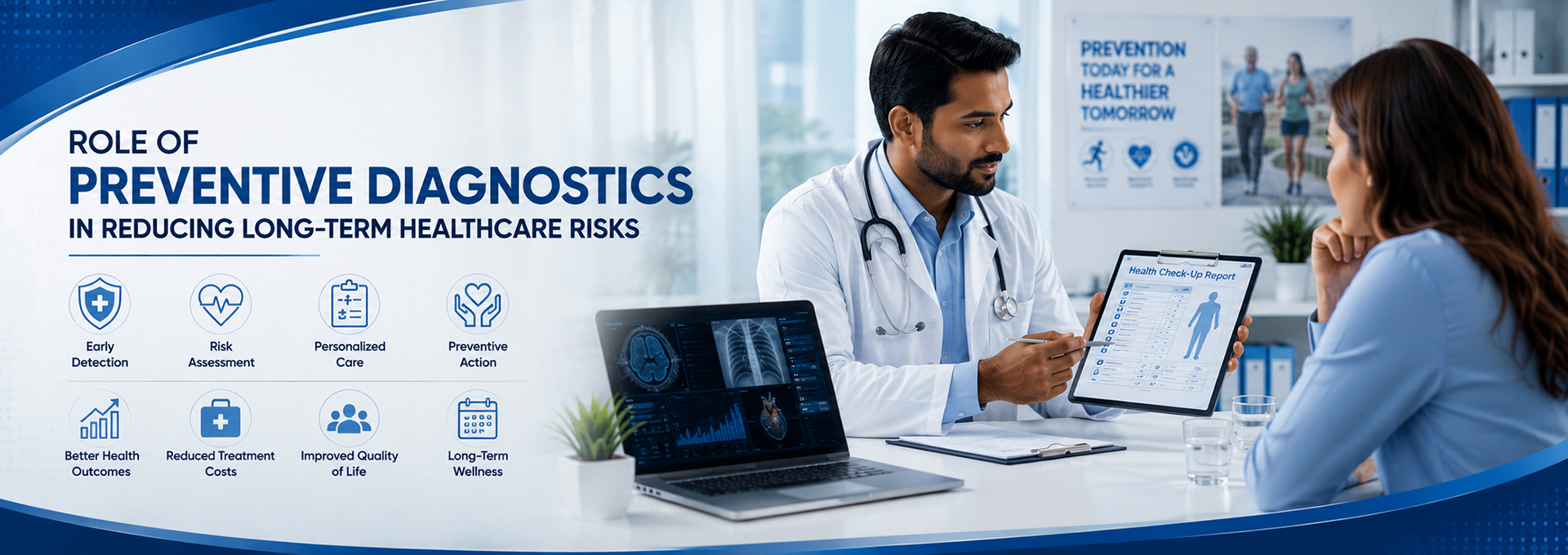
Role of Preventive Diagnostics in Reducing Long-Term Healthcare Risks
Healthcare systems today are increasingly shifting from reactive treatment approaches to preventive healthcare strategies. Instead of waiting for symptoms to appear, preventive diagnostics focus on identifying potential health risks at an early stage, allowing timely medical intervention and better long-term health management.
Modern diagnostic services play a significant role in detecting underlying health conditions before they develop into serious complications. Preventive healthcare not only improves individual well-being but also helps reduce long-term healthcare burdens for families, organisations, and healthcare systems.
Understanding Preventive Diagnostics
Preventive diagnostics involve medical tests and health screenings designed to identify early signs of diseases or health abnormalities before visible symptoms emerge. These tests help healthcare professionals assess risk factors and monitor overall health conditions.
Preventive diagnostic services commonly include:
- Blood tests and pathology screenings
- Diabetes and cholesterol monitoring
- Liver and kidney function testing
- Cardiovascular risk assessment
- Routine health check-ups
By detecting health concerns early, preventive diagnostics support proactive healthcare management rather than delayed treatment.
Importance of Early Detection in Healthcare
Many health conditions develop gradually over time and may remain unnoticed during the early stages. Diseases such as diabetes, hypertension, cardiovascular disorders, and certain infections often show limited symptoms initially.
Early detection helps:
- Identify medical conditions before complications arise
- Improve treatment effectiveness
- Reduce long-term healthcare costs
- Lower the risk of severe health outcomes
Timely diagnosis allows healthcare providers to begin appropriate treatment plans and lifestyle recommendations before conditions worsen.
Reducing Long-Term Healthcare Risks
Preventive diagnostics contribute significantly to reducing future healthcare risks. When health conditions are identified early, patients can manage them more effectively through medication, lifestyle adjustments, and regular monitoring.
This approach helps reduce:
- Emergency medical situations
- Hospitalisation rates
- Chronic disease complications
- Long-term treatment expenses
Preventive healthcare encourages continuous monitoring and better health awareness, leading to improved long-term outcomes.
Role in Chronic Disease Management
Chronic conditions often require ongoing medical supervision and regular diagnostic evaluation. Preventive diagnostics support early-stage monitoring and help track disease progression over time.
Conditions such as:
- Diabetes
- Hypertension
- Thyroid disorders
- Cardiovascular diseases
require periodic testing to maintain effective disease management.
Regular diagnostic evaluations help healthcare professionals adjust treatments, monitor patient response, and reduce the likelihood of severe complications.
Preventive Diagnostics in Workplace Health Management
Preventive diagnostics are also important in industrial and corporate environments. Organisations increasingly recognise the importance of employee health in maintaining productivity and operational efficiency.
Industrial health check-ups help:
- Detect occupational health risks early
- Improve employee well-being
- Reduce absenteeism
- Support workplace safety standards
Routine health screenings create healthier work environments while helping organisations manage long-term healthcare-related risks.
Building Awareness Through Routine Health Check-Ups
One of the biggest challenges in preventive healthcare is the lack of regular health monitoring. Many individuals seek medical attention only after symptoms become severe.
Routine health check-ups encourage:
- Better health awareness
- Early medical consultation
- Consistent monitoring of key health indicators
- Preventive lifestyle changes
Health awareness combined with diagnostic support helps individuals make informed healthcare decisions.
Technology and Accuracy in Preventive Diagnostics
Modern diagnostic systems and medical technologies have improved the accuracy and efficiency of preventive healthcare services. Advanced pathology testing and digital reporting systems allow healthcare providers to deliver reliable and timely diagnostic insights.
Technology-driven diagnostics support:
- Faster report generation
- Improved testing precision
- Better patient data management
- Enhanced healthcare decision-making
Accurate diagnostics are essential for effective preventive healthcare planning.
Long-Term Benefits of Preventive Healthcare
Preventive diagnostics offer benefits that extend beyond immediate medical treatment. Long-term preventive healthcare contributes to:
- Improved quality of life
- Better disease management
- Reduced financial burden from medical emergencies
- Increased life expectancy through early intervention
A preventive approach supports healthier communities and more sustainable healthcare systems.
Supporting Reliable Preventive Healthcare Services
Effective preventive healthcare depends on accurate diagnostics, reliable testing systems, and professional medical support.
Goodwill Biopharma Healthcare India Pvt. Ltd. provides pathology, diagnostic, and health check-up services supported by expert nursing care and advanced medical equipment. By promoting preventive diagnostics and regular health monitoring, healthcare services can contribute to better long-term health outcomes and improved patient care.
Conclusion
Preventive diagnostics have become an essential part of modern healthcare by helping identify health risks before they become severe medical conditions. Early detection, routine health monitoring, and accurate diagnostic services allow individuals and organisations to manage long-term healthcare risks more effectively.
As healthcare continues to evolve toward preventive care models, diagnostic services will remain a critical component in improving health awareness, supporting early intervention, and promoting healthier lives.